
What is SAP GRC?:
Governance, Risk, and Compliance in the Modern Enterprise
The Imperative of SAP GRC in Today’s Enterprise Landscape
In an era of accelerating digital transformation, managing risk is no longer a simple “check-the-box” exercise; it’s a strategic imperative for survival and growth. For organizations running on SAP, establishing robust Governance, Risk, and Compliance (GRC) processes is the foundation for building a resilient and trustworthy enterprise. This article will serve as a comprehensive guide to understanding and mastering SAP GRC in the modern business environment.
What is SAP GRC and why is it Critical for Modern Enterprises?
At its core, SAP GRC refers to a suite of solutions designed to help organizations manage their governance, risk, and compliance regulations related to their SAP environments. It provides a centralized framework to automate and streamline controls, ensuring that the right people have the right access to the right data at the right time.
The criticality of SAP GRC stems from its ability to provide a single source of truth for risk and compliance data across the enterprise. This unified view is essential for:
Informed Decision-Making
Providing leadership with clear, real-time visibility into the organization’s risk posture.
Operational Efficiency
Automating manual control testing and compliance reporting, which frees up valuable resources.
Protecting Brand and Assets
Safeguarding against fraud, data breaches, and non-compliance penalties that can have devastating financial and reputational consequences.
The Evolving Regulatory Environment and Increasing Cyber Threats
The need for a strong GRC strategy is amplified by two converging forces: an increasingly complex regulatory landscape and a relentless rise in sophisticated cyber threats.
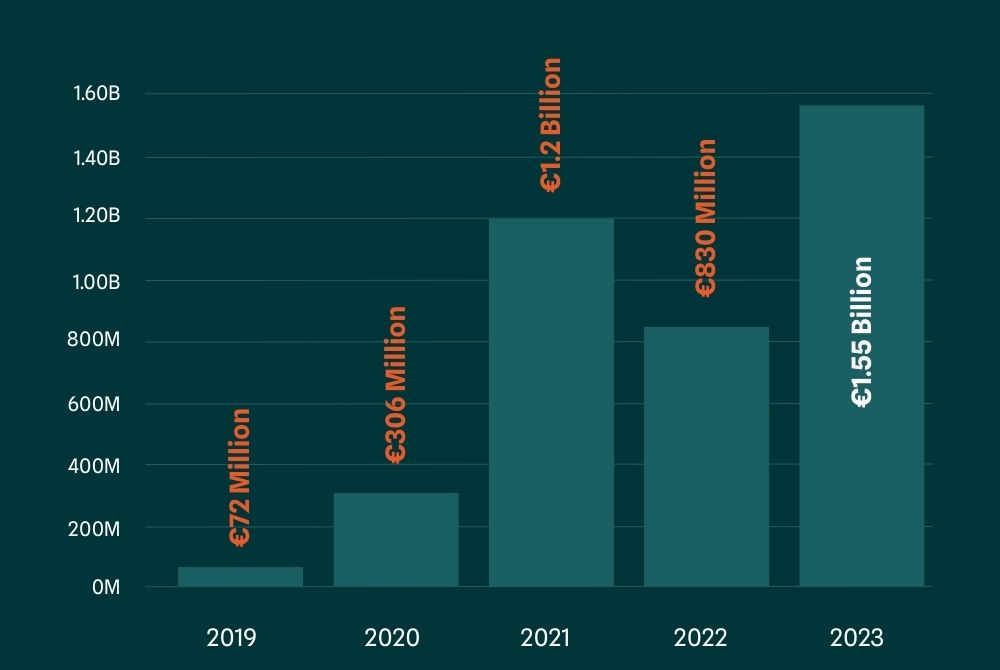
From a compliance perspective, businesses must navigate a complex web of mandates like the Sarbanes-Oxley Act (SOX) in the US and the General Data Protection Regulation (GDPR) in Europe. Achieving SOX compliance is not optional, with fines for non-compliance reaching into the millions.
This data highlights the significant increase in fines issued under Europe’s General Data Protection Regulation (GDPR), illustrating the growing financial risk of non-compliance.
Simultaneously, the threat landscape has never been more hostile. With the cost of cybercrime projected to reach $10.5 trillion annually by 2025, organizations face constant pressure to defend against attacks targeting their most critical systems. An effective SAP GRC program, supported by up-to-date SAP threat intelligence, is a crucial line of defense, helping to harden systems against both internal and external threats.
A Look Inside This Guide
This guide will provide a comprehensive overview of the SAP GRC framework, from navigating key compliance mandates like SOX and GDPR to mastering access risk and automating audits. We will also explore how Onapsis enhances GRC processes to help you achieve sustainable compliance and security excellence in your SAP environment.
Deconstructing the SAP GRC Framework
To effectively manage SAP GRC, it’s essential to understand its core principles and components. The framework isn’t a single product but a comprehensive strategy enabled by a suite of integrated SAP solutions. Its primary goal is to provide a structured approach to managing the complex interplay between business objectives, risk mitigation, and regulatory obligations.
Defining the Pillars: Governance, Risk, and Compliance
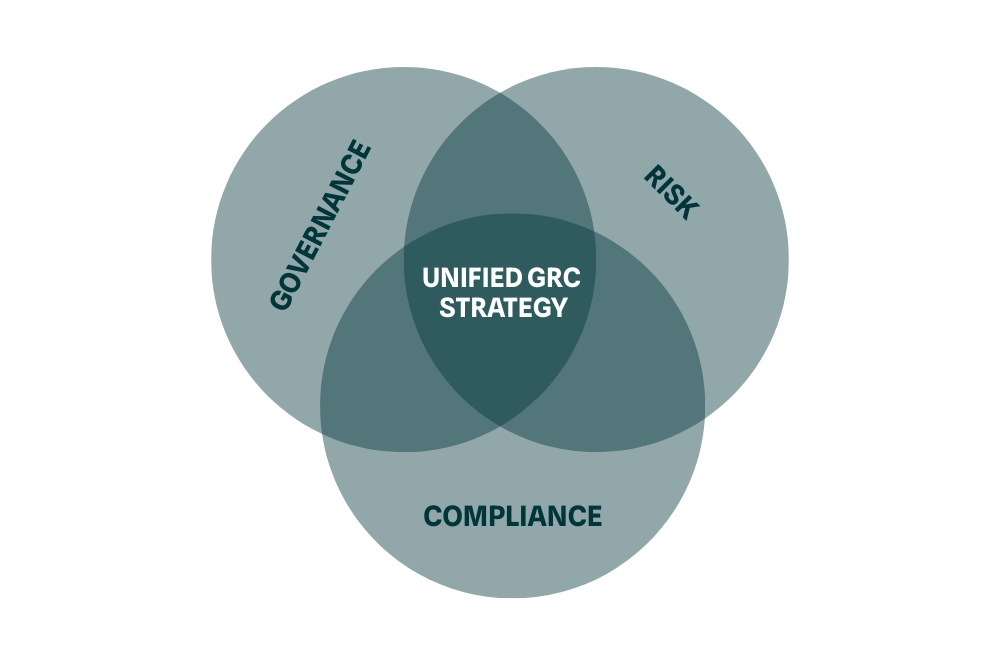
The “GRC” acronym represents three distinct but interconnected pillars that form the basis of a strong internal control environment.
Governance
This is the “G” in GRC. It refers to the overall management approach through which an organization is directed and controlled. It involves aligning business operations with strategic goals, corporate policies, and stakeholder expectations to ensure accountability and ethical behavior.
Risk
The “R” stands for risk management. This pillar involves the systematic process of identifying, assessing, and mitigating potential risks that could prevent an organization from achieving its objectives. In an SAP context, this includes financial, operational, and cybersecurity risks.
Compliance
The “C” is for compliance. This pillar is focused on ensuring the organization adheres to the vast web of laws, regulations, industry standards, and internal policies it is subject to. This includes mandates like SOX, GDPR, and NIST.
Key Modules Within the SAP GRC Suite
SAP provides several key modules to help organizations implement their GRC strategy. These solutions are designed to automate and streamline control processes, providing visibility and enforcement across the enterprise. The most critical modules include:
SAP Access Control
This module is focused on managing user access and preventing fraud. It allows organizations to define and enforce access policies, identify and remediate access risks, and manage Segregation of Duties (SoD) conflicts. It is a cornerstone for preventing unauthorized activities within critical SAP systems.
SAP Process Control
This component helps organizations monitor the performance and compliance of key business processes. It provides a centralized hub for documenting controls, conducting automated tests, and managing issue remediation, which is crucial for continuous compliance readiness.
SAP Risk Management
This module enables businesses to proactively identify, analyze, and respond to risks across the enterprise. It helps teams quantify the potential impact of various risks and manage the response efforts, turning risk management from a reactive exercise into a proactive, strategic function.
How SAP GRC solutions help streamline GRC processes
SAP GRC solutions transform governance, risk, and compliance from a fragmented, manual effort into a streamlined and integrated business function. They provide a technology backbone that helps organizations enforce policies and controls consistently. The primary ways they achieve this are through:
Automation of Manual Tasks
One of the most significant benefits is the automation of repetitive, time-consuming tasks. This includes user access provisioning, control testing, and evidence collection for audits. Automation not only reduces thousands of hours of manual effort but also minimizes the risk of human error, leading to more reliable compliance outcomes.
Centralized Management and Visibility
GRC solutions break down the traditional silos that exist between business, IT, and audit teams. By creating a single, centralized platform for managing risks and controls, everyone in the organization works with the same data. This unified view ensures that all stakeholders have real-time visibility into the organization’s risk and compliance posture.
Enabling Continuous Monitoring
These solutions shift organizations from a reactive, periodic audit cycle to a proactive model of continuous monitoring. Instead of discovering a control failure months after the fact, automated monitoring can detect exceptions and potential policy violations as they happen. This allows teams to conduct their SAP audit activities in real time and remediate issues before they become significant problems.
The Role of GRC in a Strong Internal Control Environment
Ultimately, SAP GRC solutions serve as the operational backbone for a strong internal control environment. While governance defines the rules and policies, GRC provides the mechanisms to enforce them, monitor their effectiveness, and prove their existence to auditors.
Its role is to translate control design into effective, everyday practice. By automating preventative controls like SoD rules and detective controls like process monitoring, the GRC suite actively hardens the SAP environment against risk. Furthermore, by centralizing all control activities and creating an immutable audit trail, it establishes a defensible, audit-ready system of record. This transforms the internal control environment from a static set of policies into a dynamic and resilient framework, which is a cornerstone of enterprise SAP security.
Managing Key Compliance Mandates in SAP
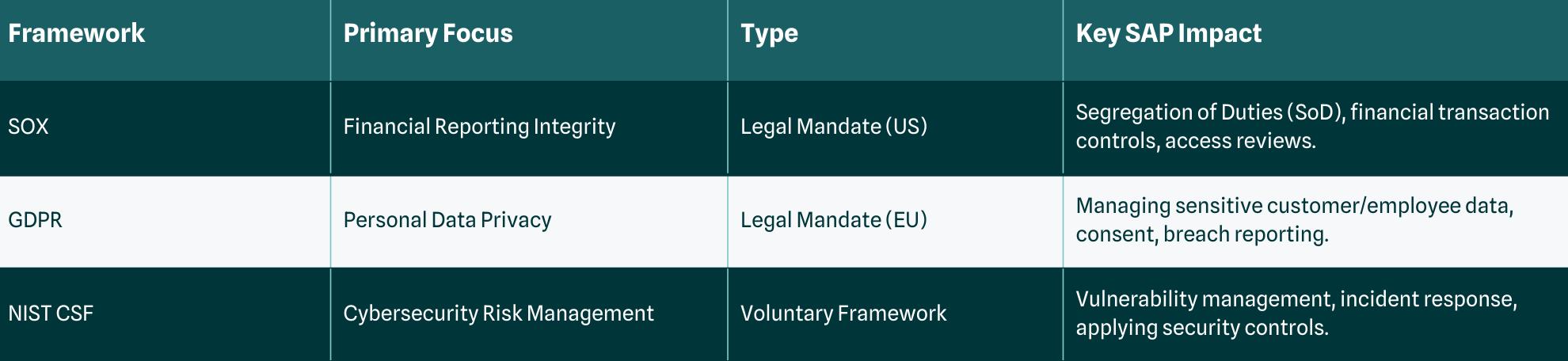
A core function of any GRC program is to ensure adherence to specific regulatory and security frameworks. For global enterprises, this means managing a variety of overlapping requirements within their complex SAP environments. An effective SAP compliance strategy must address the unique challenges posed by mandates like SOX, GDPR, and the NIST Cybersecurity Framework.
SOX Compliance in the US
The Sarbanes-Oxley Act (SOX) was enacted to protect investors by improving the accuracy and reliability of corporate financial disclosures. For SAP systems, which are often the system of record for financial data, maintaining SOX compliance is a top priority.
Key SOX Requirements in SAP
- Financial Reporting Controls: Organizations must prove that the financial data within SAP is accurate and has not been tampered with. This requires strict controls over who can post, modify, or approve financial transactions.
- Segregation of Duties (SoD): A foundational requirement of SOX is to prevent fraud by ensuring that no single individual has control over all aspects of a financial transaction. In SAP, this means managing and eliminating SoD conflicts, such as a user having the ability to both create a vendor and pay that vendor.
SAP GRC tools, particularly Access Control, are essential for automating the detection and mitigation of these SoD conflicts, providing auditors with the evidence needed to prove compliance.
How SAP GRC Supports SOX Checklist Items
SAP GRC provides the specific technical capabilities required to address the key items on any SOX auditor’s checklist. It moves organizations from relying on manual spreadsheets and screenshots to a more automated and reliable system of record. Specifically, it helps by:
- Automating SoD Risk Analysis: SAP Access Control automatically analyzes user roles and permissions for SoD conflicts, providing immediate visibility into potential risks and streamlining the remediation process.
- Streamlining User Access Reviews: The GRC suite automates the periodic review of user access rights. It generates reports for business owners to certify that their team members’ access is still appropriate, creating a clear and defensible audit trail.
- Enabling Automated Control Monitoring: SAP Process Control allows for the automated monitoring of controls over key financial processes. If a critical configuration is changed or a transaction violates a policy, the system can generate an alert in real time.
- Providing a Centralized Evidence Repository: All control testing results, remediation activities, and approvals are stored centrally within GRC. This drastically simplifies the audit process by giving auditors a single source to find the evidence they need.
GDPR Compliance in Europe
The General Data Protection Regulation (GDPR) governs how organizations collect, process, and store the personal data of EU citizens. With SAP systems often holding vast amounts of sensitive employee and customer information, GDPR compliance is a critical consideration for data privacy.
Data Privacy and Consent Management in SAP
Managing GDPR in SAP involves identifying all personal data across your systems, ensuring you have a legal basis for processing it, and fulfilling data subject requests for access or deletion. A key part of this is effective consent management. Organizations must be able to demonstrate how and when consent was obtained to process personal data and manage that consent throughout the data lifecycle within SAP.
Addressing Data Breach Reporting Requirements
GDPR mandates strict data breach reporting requirements, often requiring notification to supervisory authorities within 72 hours of discovery. For SAP teams, this means having robust incident response plans in place to quickly identify, investigate, and report on any breach involving personal data stored in their systems.
Aligning with the NIST Cybersecurity Framework
While not a legal mandate like SOX or GDPR, the NIST Cybersecurity Framework (CSF) is a widely adopted set of best practices for improving cybersecurity risk management. Applying the NIST CSF to your SAP environment provides a structured approach to securing your critical systems.
This involves mapping SAP security processes to the five core functions of the framework: Identify, Protect, Detect, Respond, and Recover. A key area where this alignment is critical is in vulnerability management. By implementing a NIST-aligned process for identifying, assessing, and remediating vulnerabilities in your SAP landscape, you can significantly mature your security posture and demonstrate a commitment to cybersecurity best practices to stakeholders and auditors.
Overcoming Cross-Compliance Challenges
A significant challenge for global organizations is managing the overlap between these different frameworks. A single control in SAP, such as an access policy, might serve requirements for SOX, GDPR, and NIST simultaneously.
The key to efficiency is an integrated management strategy. Instead of treating each mandate as a separate silo, organizations should map controls to multiple frameworks. Using a GRC platform allows you to “test once, comply many,” where evidence for a single control test can be used to satisfy multiple audit requirements. This unified approach reduces redundant work, simplifies reporting, and provides a holistic view of your overall compliance posture.
Mastering Effective Access Risk Management in SAP
Effective access risk management is not just about assigning roles; it’s about ensuring that user access to critical systems is granted based on the principle of least privilege. In the complex landscape of SAP, where a single user can have thousands of individual permissions, maintaining control over user access is a fundamental component of a strong GRC and SAP security strategy. An uncontrolled access environment can quickly lead to fraud, data breaches, and compliance failures.
Understanding Segregation of Duties (SoD) and Critical Access Risks
One of the most significant access-related risks in SAP is the Segregation of Duties (SoD) conflict. An SoD conflict occurs when a single user is granted permissions to complete two or more conflicting tasks that should be separated, such as the ability to both create a purchase order and approve the payment for it.
Beyond SoD, organizations must also manage critical access risks. This involves identifying and closely monitoring powerful authorizations that, while not part of a direct SoD conflict, can still be abused to cause significant harm. These often include roles assigned to system administrators or key business users with wide-ranging permissions.
Leveraging SAP Access Control for Automation
Manually identifying and mitigating thousands of potential SoD conflicts and access risks across a large user base is an impossible task. This is where the SAP Access Control module becomes essential.
This GRC component automates the process of risk analysis, allowing organizations to:
- Run real-time risk simulations when assigning new roles or permissions to a user.
- Continuously monitor the environment for new or existing SoD violations.
- Streamline user access reviews, providing business process owners with clear, easy-to-understand reports to approve or reject user access.
- Provide a clear audit trail of all access risk analysis and mitigation activities.
By automating these key functions, SAP Access Control helps enforce a policy of least privilege at scale, significantly reducing the risk of internal fraud and unauthorized data access.
Managing Privileged Access in SAP Environments
Privileged access refers to the elevated permissions granted to administrators (like the SAP_ALL profile), superusers, and emergency accounts. While necessary for system maintenance and support, these accounts represent a significant risk because they can bypass many standard controls.
Effective management of this access involves implementing specialized tools and processes, often called “firefighter” or “emergency access” solutions. These tools allow temporary, monitored, and fully-audited access to privileged accounts, ensuring that powerful permissions are only used when necessary and all activities are logged for review.
Implementing Identity and Access Governance (IAG) Best Practices
Identity and Access Governance (IAG) is the overarching discipline that ensures proper access to technology resources across the enterprise. For SAP, key IAG best practices include:
- Role-Based Access Control (RBAC): Designing clean, well-defined business and technical roles that grant permissions based on job function rather than assigning access on an ad-hoc basis.
- Periodic Access Certification: Regularly certifying that users still require the access they have been granted. This process helps to remove unnecessary permissions that accumulate over time as employees change roles.
- Integrating with Enterprise IAG: Connecting SAP user and role management with broader enterprise IAG platforms to ensure a single, consistent identity and access lifecycle for all users across all systems.
From Periodic to Perpetual: Automating SAP Compliance Audits
For many organizations, the audit process remains a significant challenge. Traditional, manual audits are often disruptive, time-consuming, and provide only a backward-looking snapshot of compliance at a single point in time. To achieve continuous readiness and a truly proactive security posture, organizations must shift from this periodic model to one of automated, perpetual compliance monitoring.
The Challenges of Manual SAP Audits
Manual SAP compliance audits are notoriously inefficient. The process often involves hundreds of hours spent manually taking screenshots, pulling logs, and collecting evidence to satisfy auditor requests. This approach is not only a significant drain on resources but is also prone to human error and inconsistencies, which can lead to audit findings, remediation costs, and repeated work.
Understanding Key SAP Audit Event Types
The foundation of any SAP audit is the SAP Security Audit Log (SAL). This log records critical activities happening within the system, providing a trail of evidence. However, not all events are created equal, and it’s crucial to understand which ones indicate the highest risk.
Examples of Critical Events to Monitor
To focus your monitoring efforts, prioritize the configuration and review of high-risk SAP audit event types, such as:
- Failed user logon attempts
- Changes to critical user accounts (e.g., SAP*)
- Execution of sensitive transactions or reports
- Changes to system configurations and security parameters
- Successful and unsuccessful attempts to access sensitive data
Implementing Best Practices for SAP Security Logging
Effective data collection is essential for both audit and security. Simply turning on the audit log is not enough; organizations must implement best practices for SAP security logging to ensure they are capturing meaningful data without creating overwhelming noise. This includes defining a detailed logging policy, configuring filters to capture the most critical events, and ensuring logs are protected from tampering and are retained for a sufficient period.
Automating Control Testing and Evidence Collection
The core of a modern audit strategy is automation. Instead of manually checking user permissions or system configurations, specialized tools can perform automated control testing on a continuous basis. When a control fails or a policy is violated, the system can generate an exception and capture all relevant evidence automatically. This dramatically reduces the manual effort of audit preparation and provides objective, standardized proof of control effectiveness.
Using Audit Data for Proactive Threat Detection
Audit logs are not just for compliance; they are a rich data source for security operations. By integrating SAP audit logs with a Security Information and Event Management (SIEM) solution, security teams can use this data for the proactive threat detection of suspicious behavior. Correlating events from SAP with data from other systems can help identify patterns that may indicate a credential compromise, an insider threat, or the early stages of a cyberattack.
The Strategic Shift to Continuous Compliance Monitoring
Taken together, these practices represent a strategic shift from periodic auditing to continuous compliance monitoring. This proactive model moves the goal from simply “passing the audit” to maintaining a constant state of compliance and security readiness. It transforms the audit from a disruptive, backward-looking event into a non-event that merely validates the effective, automated controls that are running every day.
Enhancing GRC and Compliance with Onapsis
While SAP GRC provides a powerful framework for managing policies and controls, The Onapsis Platform acts as a force multiplier, enhancing and automating the technical validation that underpins a successful GRC program. Onapsis bridges the gap between business-level GRC objectives and the complex technical reality of the SAP landscape, ensuring that your controls are not just designed correctly, but are actually working effectively.
Automating and Simplifying Core GRC Processes
Onapsis complements native SAP GRC tools by automating the traditionally manual and time-consuming process of gathering technical evidence and testing controls. Instead of relying on IT teams to pull technical data, the platform continuously validates that your SAP systems are configured in line with your security and compliance policies. It translates complex technical data into clear, business-relevant risk insights, making the GRC process more efficient, less prone to error, and accessible to all stakeholders, not just SAP experts.
Addressing Specific Challenges in Access Risk and Vulnerability Management
Onapsis provides dedicated capabilities to tackle two of the most persistent challenges highlighted in GRC and audit cycles: access risk and technical vulnerabilities.
Streamlining Access Risk Analysis
The Onapsis Platform provides deep visibility into the access risk issues that SAP GRC focuses on, including Segregation of Duties (SoD) conflicts and the management of privileged access. It can continuously monitor for changes that introduce new risks and provides detailed context to help teams prioritize and remediate the most critical issues, ensuring that access policies are consistently enforced.
Operationalizing Vulnerability Management
Onapsis operationalizes vulnerability management for SAP systems. It continuously assesses the SAP landscape against the latest threat intelligence from the Onapsis Research Labs, identifying vulnerabilities, misconfigurations, and missing patches. It then provides risk-prioritized, actionable recommendations, allowing teams to focus on fixing the issues that matter most before they can be exploited by attackers.
Gaining Unified Visibility and Control Over Your SAP Landscape
One of the biggest hurdles in GRC is the silo between SAP, security, and audit teams. Onapsis breaks down these barriers by providing a unified platform that all teams can use. It integrates seamlessly with enterprise security tools like SIEMs and SOARs, feeding them with critical, real-time alerts and context from the SAP environment. This single pane of glass for SAP security and compliance ensures that everyone is working from the same data, enabling a more collaborative, efficient, and effective GRC strategy.
Key Takeaways for Security Leaders
For busy security and IT leaders, this guide provides a comprehensive roadmap for SAP GRC. Here are the most critical takeaways:
GRC is a Strategic Imperative
In the face of rising cyber threats and complex regulations like SOX and GDPR, treating GRC as a strategic business function is essential for protecting critical assets and ensuring resilience.
Access Risk is a Foundational Threat
Poorly managed user access, especially Segregation of Duties (SoD) conflicts and privileged user accounts, remains one of the most significant internal risks to SAP systems.
Automation is Key to Continuous Compliance
Shifting from disruptive, manual audits to a model of continuous compliance monitoring through automation is the only sustainable way to stay ahead of risks and be permanently “audit-ready.”
A Unified Platform is Crucial
Overcoming the traditional silos between IT, Security, and Audit teams requires a unified platform that provides a single source of truth for an organization’s GRC and security posture.
Achieving Sustainable GRC Excellence
Achieving excellence in SAP GRC is not a one-time project but a commitment to continuous improvement and strategic alignment. A mature GRC program moves beyond simply passing audits and becomes a core driver of business value, resilience, and trust in an increasingly complex digital world.
Recap of the Strategic Benefits of a Robust SAP GRC Program
A mature GRC program delivers benefits that extend far beyond the compliance department. By automating controls and providing a clear, unified view of risk, it reduces the cost of audits, minimizes the risk of costly data breaches and fraud, and enables more confident, data-driven decision-making. Ultimately, a strong GRC posture is a competitive advantage that protects brand reputation and enhances stakeholder confidence.
Integrating GRC into Overall Business and Security Operations
To be truly effective, GRC cannot operate in a silo. It must be woven into the fabric of the organization’s culture and daily operations. This means integrating security and compliance into the development lifecycle DevSecOps for SAP, ensuring that security and GRC teams have unified visibility, and making risk-awareness a shared responsibility across all business units. When GRC is part of the conversation in all major initiatives, from a cloud migration to an SAP S/4HANA transformation, the organization becomes secure by design.
The Future Outlook for SAP GRC and Compliance
The world of GRC is constantly evolving. Looking ahead, organizations can expect trends like artificial intelligence and machine learning to play a larger role in predictive risk analysis and automating complex GRC tasks. As cloud adoption accelerates and regulations continue to shift, the need for a real-time, intelligent, and integrated approach to managing the security of business-critical applications will only intensify. The principles of GRC—accountability, transparency, and a commitment to managing risk—will remain the timeless foundation for navigating the challenges of tomorrow.
Frequently Asked Questions (FAQs)
The justification for GRC automation rests on three key pillars of business value:
- Cost Reduction: Calculate the hours your teams spend on manual audit preparation, control testing, and remediation. Present the savings from automating these tasks, freeing up valuable resources to focus on more strategic initiatives.
- Risk Mitigation: Frame the investment as a form of insurance against the high cost of a data breach, compliance fines (for mandates like SOX or GDPR), or internal fraud. A strong GRC program directly reduces this financial and reputational risk.
- Business Enablement: An automated and efficient GRC process allows the business to move faster. It accelerates key projects like an SAP S/4HANA transformation by embedding security and compliance from the start, preventing costly delays later in the project lifecycle.
The first step is to gain visibility and prioritize. Instead of trying to fix everything at once, start with a comprehensive risk assessment to identify the most critical Segregation of Duties (SoD) conflicts that pose a genuine risk to your organization. Focus on high-impact areas first, such as your core financial processes. Once you have remediated the most critical conflicts, you can establish a clean baseline and implement continuous monitoring to prevent new conflicts from being introduced.
Yes. A comprehensive GRC program addresses internal threats by enforcing strict access controls, managing SoD, and monitoring for fraudulent activity. It addresses external threats by ensuring that systems are configured securely and patched against known vulnerabilities, which hardens the attack surface. Furthermore, by integrating with security operations, the data from GRC and audit logs can be used to detect patterns of attack from external actors.
SAP GRC is excellent at managing business processes, policies, and workflows (the “who” and “what”). The Onapsis Platform complements GRC by automating the technical validation of the underlying systems (the “how”). Onapsis continuously assesses the technical state of your SAP systems—including code, configurations, vulnerabilities, and transport—to ensure they are aligned with the business controls being managed in SAP GRC, providing a complete, 360-degree view of risk.
While regulations often require annual reviews, best practice for a mature GRC program is to conduct user access reviews more frequently, especially for high-risk systems and privileged users. Many organizations move to a semi-annual or even quarterly certification schedule. GRC automation tools make this more frequent cadence manageable by streamlining the process for both administrators and business owners.
More Resources on SAP GRC
View our recommended resources on SAP GRC and Compliance.
10/27/2025
Pablo Müller
Navigating SAP Compliance: A Guide to SOX, GDPR, and NIST
Learn how to manage SOX, GDPR, and NIST compliance in your SAP environment. Our definitive guide covers key controls, challenges, and the shift to automated, continuous compliance.
03/19/2026
Pablo Müller
SOX Compliance in SAP: What It Is and How to Achieve It
For many organizations, SAP is the financial heartbeat of the business. It processes revenue, manages payroll, handles supply chain logistics, and generates the data required for quarterly earnings reports. Because of this, when external auditors evaluate your organization for Sarbanes-Oxley (SOX) compliance, your SAP landscape is immediately placed under a microscope. However, proving that your…
03/25/2026
Pablo Müller
GDPR in SAP: What It Is and How to Protect Sensitive PII
When organizations evaluate their cybersecurity posture, they often focus on perimeter defenses and cloud infrastructure. However, the most sensitive data a company holds, including employee records, customer details, and financial histories, usually resides deep within its SAP landscape. Because SAP acts as the central repository for this Personally Identifiable Information (PII), it is ground zero…
04/01/2026
Pablo Müller
The NIST Cybersecurity Framework: What It Is and How to Apply It to SAP
The NIST Cybersecurity Framework provides a comprehensive methodology for organizations to manage cyber risk. Implementing the NIST framework within SAP systems secures the financial, operational, and human resources data that drives the global enterprise. Data breaches cost an average of $4.44 million globally, making robust SAP Governance, Risk, and Compliance strategies essential for modern businesses….
09/12/2025
Alyssa Santiago
A Leader’s Guide to the SAP GRC Framework
A deep dive into the SAP GRC framework for cybersecurity leaders. Learn about the three pillars of Governance, Risk, and Compliance and the core modules that build your control environment.
10/29/2025
Pablo Müller
Automating SAP Compliance Audits: From Manual Burden to Continuous Assurance
Traditional, manual SAP compliance audits are notoriously slow, expensive, and only provide point-in-time snapshots of your security posture, leaving organizations vulnerable between assessments. This legacy approach creates significant friction and consumes valuable resources. The modern solution is a strategic shift to continuous compliance automation, a core component of a mature SAP Governance, Risk, and Compliance…
Take Action: Secure Your SAP Environment with Onapsis
Contact Us
to discuss how Onapsis solutions can enhance your SAP security posture